Churches urged to take the jab!

Dr. Rev Kenneth Mtata- Secretary-General, Zimbabwe Council of Churches (ZCC)

Misinformation and conspiracy theories on the Covid-19 vaccine have clouded the Christian fraternity. Some Christian leaders have come out guns blazing saying that vaccine is the mark of the beast or 666 symbol of Satan.


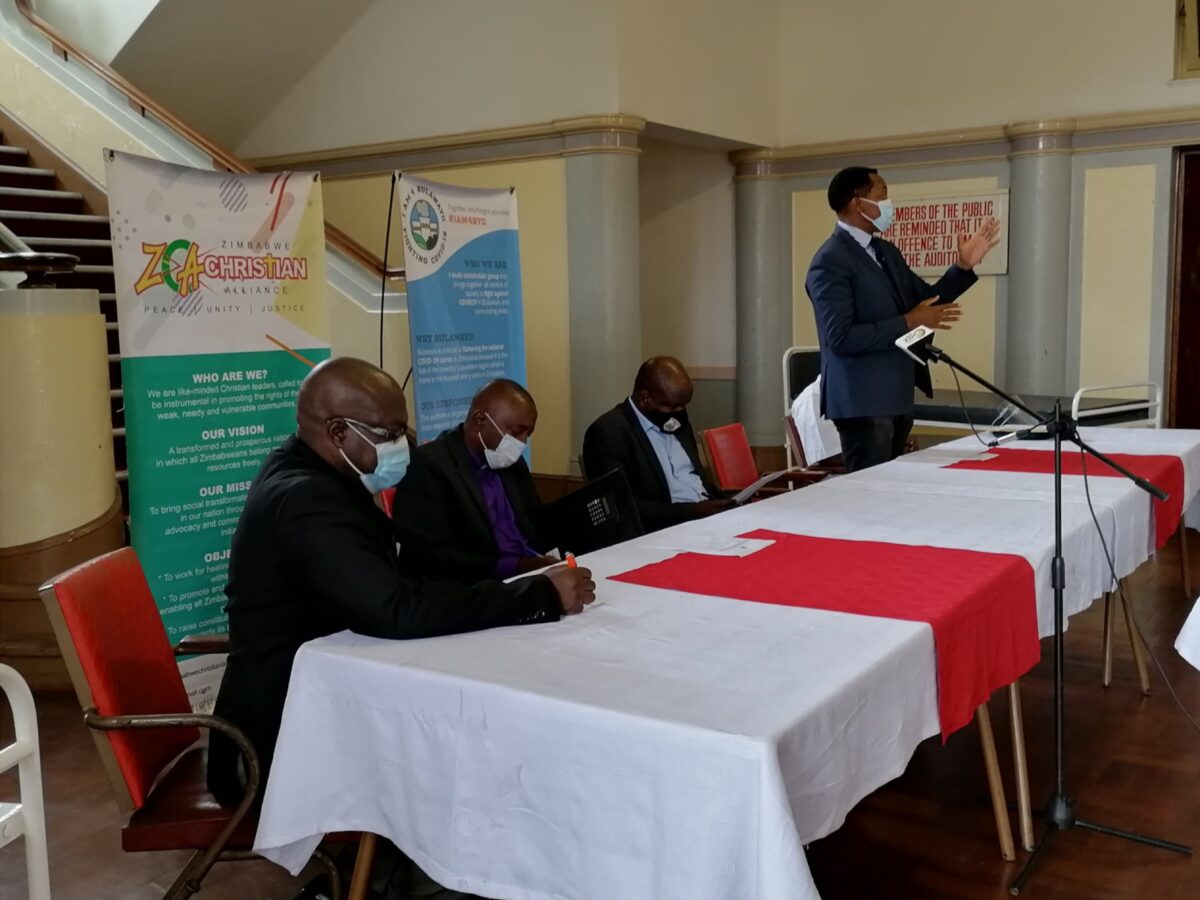
Church leaders and Christians have been urged to take the Covid-19 vaccine for their benefit and those around them by the Secretary-General for the Zimbabwe Council of Churches (ZCC), Dr. Rev Kenneth Mtata.


He urged Zimbabweans to embrace the vaccine jab, saying that in the last few weeks they have been consulting with other church leaders and the medical professionals so as to fully understand the vaccine.


“In the last few weeks, we have been consulting with the church leaders, with the medical professions for us to have a deeper understanding of the vaccine, all the challenges, and risks associated with it. We have concluded that this vaccine could be useful to protect people from the covid-19 virus and therefore we are encouraging people to get vaccinated”, said Dr Mtata.


Dr. Mtata said he was vaccinated and he called upon church leaders to vaccinate as well. He said arrangements were being made where they can be conveniently vaccinated. In making the clarion call, he said vaccination is not only for self-protection but for the protection of others as well.


“I have been vaccinated myself and I am calling up our all our clergy and church leaders to get vaccinated. We don’t do it only for ourselves but all so for our congregants,” said Dr. Mtata.


An invitation was made for people not to stop using other forms of protection against this scourge.


“We don’t only get protected using this vaccine, also by continuing to use masks, washing our hands, and keeping social distance. We pray that God continues to provide protection as we hear there is a new third-wave coming-up. We pray that God may watch over us so that we are safe to continue in service of Him and our neighbour”, said Dr. Mtata.


Pastor Kilton Moyo said the vaccine is for medicinal purposes only and an people should use the Covid-19 as much as they have been using other vaccines in the past.


"The jab is not a faith issue but a purely medical issue. I think confusing these two can do more harm than what is being said about the jab. Christians have taken vaccines before and continue to use pharmaceutical medicines  and there is no problem  with that. People must not take the jab out of fear but with the usual trust they show on any other medicine.  “said Pastor Moyo.


Follow us on Twitter: @zcalliance1
 

Opening of Churches bring new energy!

Opening of Churches bring new energy!

Most churches reopened their gates last week for physical meetings after President Emmerson Mnangagwa eased lockdown measures. Churches in Zimbabwe had gone for months without congregating and most of them had resorted to online services. According to the new regulations churches are now allowed to gather up to a maximum of 50 congregants at a time whilst observing COVID-19 protocols which include sanitizing, social distancing, hygiene and wearing face masks. 


Pastor Kevin Toni Mpofu The Christian Voice interviewed church leaders who expressed their excitement that contact church services are back. The Harvest House International (HHI) Leader Dr. Sarah Nyathi said they are happy that they are able to congregate in one place, in all their different branches dotted across Zimbabwe. “As leaders we feel that we are able to start meetings again”, Said Nyathi, “but our numbers still haven’t reached 50 as people are still reluctant to come to the house God”, she added She said that COVID-19 revealed the true standing of most Christians. “These lockdowns have revealed the truth of many believers. 


Perhaps many believers were coming to church just as a matter of habit, and others were doing it because it’s a good thing to do, but I feel like this COVID-19 period has given a chance to people to face themselves, and a chance for self- introspection. I believe the church of Christ is going through a time of separation and that calls for self-motivation on part of the believer.”, said Dr. Nyathi Many lessons were learnt by the church from COVID-19 and more gaps need to be plugged by the church as Dr. Nyathi pointed out. “The church was propelled by excitement. The church was propelled by habit and the church was being propelled by this attitude which says ‘we have done it before’. I would like to believe that a large number of our congregants were just coming there because it was exciting and they would get prophecies, miracles, but now with the lockdown of churches people haven’t had access to their prophets, bishops, pastors.” She said. 


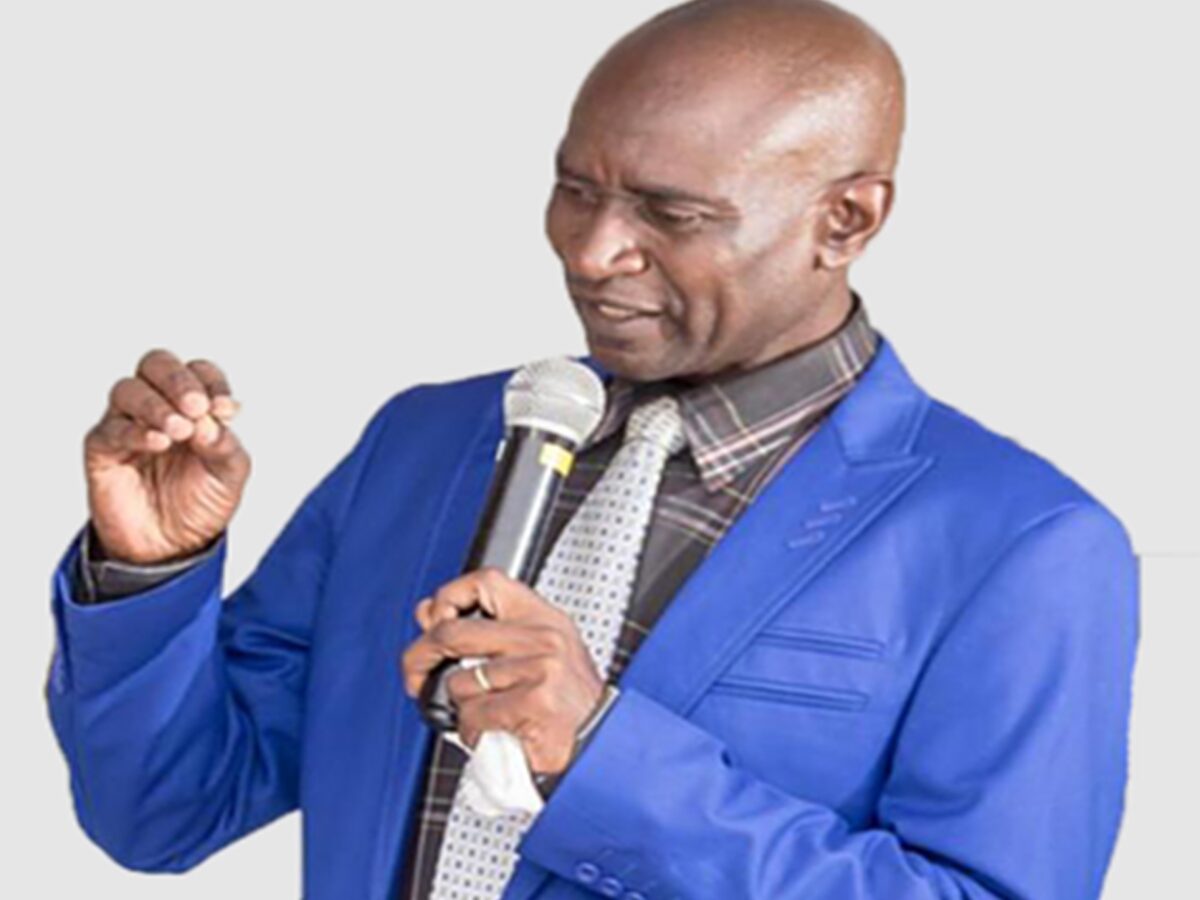
Dr. Nyathi also pointed out that it is no longer a church as usual, but other means should be employed especially by leaders. “As a leader you have to be creative so that you keep in touch with your people. Technology helped to reach to our congregants and other people. It’s not only coming to church that can help us reach to the people, or physical meetings, though the physical fellowship is necessary”, she said The Christian Voice also engaged Pastor Kevin Toni Mpofu (pictured) who is a leader at Church of Christ in Makokoba, Bulawayo. He further emphasized the need for the church to be creative in spreading the gospel and utilizing the power of delegation in leadership. “As leaders we have to use technology and information. 


We can also use our young people within our churches as they are good with the latest technologies. Then we formulate small groups on ZOOM, Whatsapp and share our responsibilities to leaders as we conduct those different groups. As a leader you are not the one who does everything, but we have to share responsibilities as Moses (in the bible) leant from his father in-law”, He said Even though leaders are excited that churches are now open, that comes with its challenges. “We are happy and raring to go, but the challenge is that people are still cautious since they have been out of the church for a long time. But the opening is a boost. The other challenge might be that people will take time come in numbers.” Said

Peace Committees begin pastoral visits

Peace Committees begin pastoral visits

Kudzai Chikiwa, Chronicle Reporter 

CHURCHES in Bulawayo have formed peace committees which will move around western suburbs preaching peace following the recent violent protests that rocked the city. Protestors allegedly linked to the opposition MDC Alliance unleashed a reign of terror in most western suburbs starting on Monday after a three-day stay away called by the Zimbabwe Congress of Trade Unions (ZCTU). 

Zimbabwe Christian Churches Alliance president Reverend Useni Sibanda yesterday told The Chronicle that the peace committees are comprised of church leaders drawn from different denominations and residents. He said the peace committees would start work in due course, but at the moment they have started pastoral visits. “We have started pastoral visits to different affected people where we try and explain to them the importance of peace in a nation. However, we are yet to sit down as church leaders and decide on a day when we will have a combined church peace-making service as we did towards the July harmonised elections last year,” he said. “Even in the Bible, prophets worked as advisors of Kings and they were pioneers of peace. 

Our priority is making sure that there is a peaceful co-existence between the Government and its people. “We formed these committees in line with what the Bible says in Matthew that blessed are peace makers. The church is there to make peace during such times when the environment seems tense and some people have opted for violence than peaceful dialogue.” The ZCC president said they are yet to embrace the idea at national level. “We are still operating at a provincial level but we are looking forward to expanding this to all provinces. “Bulawayo has been a bastion of peace as you remember that we brought many political parties together towards the July elections last year,” he said. Rev Sibanda slammed violence saying it does not solve the country’s economic challenges. “These protests were ignited by fuel prices coupled with unemployment and basic commodities price hikes. However, people missed the idea of a shutdown, ideally it was supposed to be a peaceful shutdown. Violence will never solve anything, that’s why we are calling for peaceful dialogue,” he said. 

Rev Sibanda said the majority of looters are youths who might be frustrated by joblessness. “These youths are mostly school leavers and they do not have jobs. They are frustrated and are just taking advantage of the status quo. They looted from shops and vandalised property which is uncalled for. They need to be taught the value of peace because their behaviour costs the nation,” he said. In July last year, ZCC pioneered the signing of a Peace Pledge by 11 political parties countrywide ahead of the harmonised elections.

Poverty index to guide devolution funding.

Poverty index to guide devolution funding.

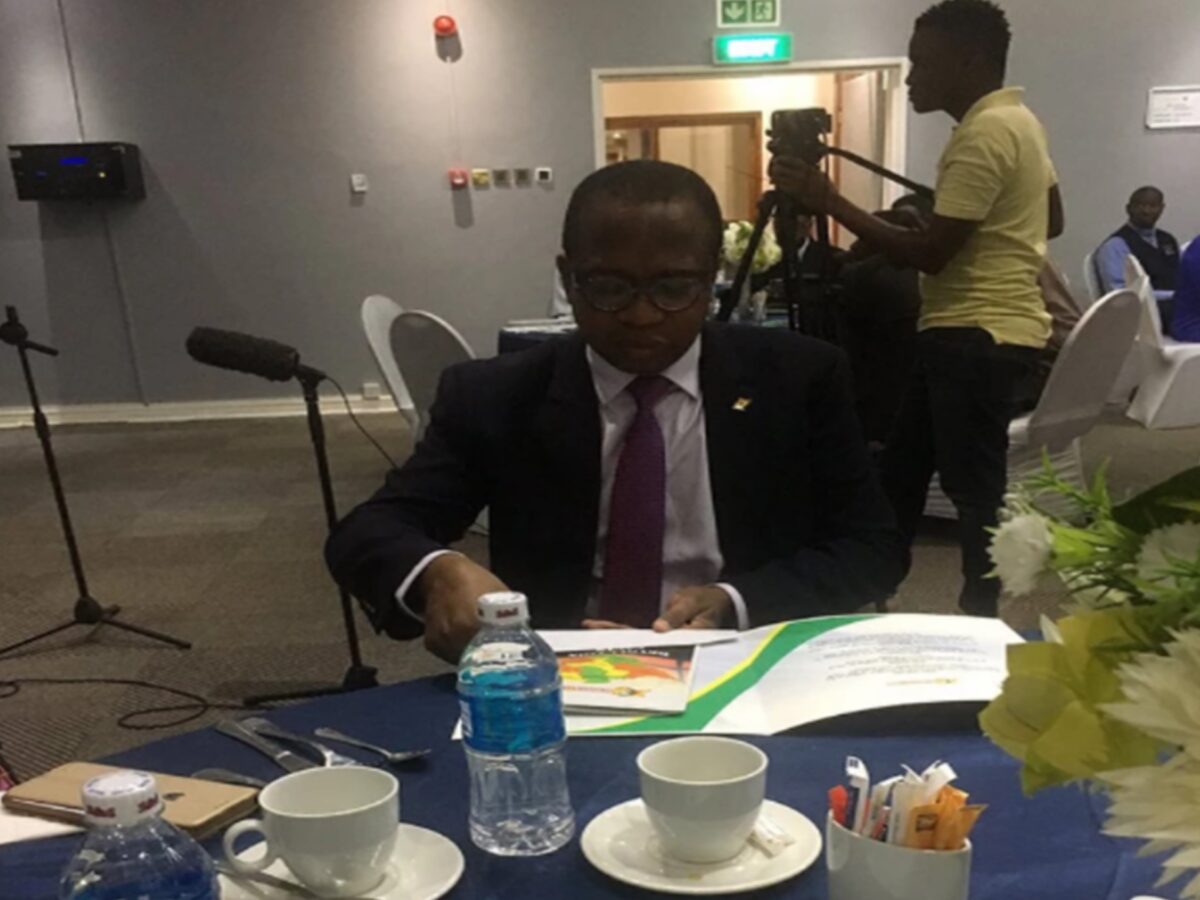
GOVERNMENT will use the poverty index to prioritise disbursement of funds to facilitate development at local level in line with the devolution drive, Finance and Economic Development Minister, Professor Mthuli Ncube, has said. 
Treasury set aside $310 million in the 2019 national budget to be allocated to provinces under the devolution programme. Prof Ncube said the programme was already being implemented starting with disadvantaged districts in Mashonaland provinces and would soon be moving to Matabeleland and Midlands until every district was economically stable. Speaking at a national devolution breakfast meeting hosted by the Zimbabwe Christian Alliance in Bulawayo on Wednesday, Prof Ncube said Treasury was using three key guidelines to determine resource distribution. 

 “Firstly, we have to recognise levels of poverty a society has, then we use it to allocate funds. Secondly, the quality of infrastructure and then lastly we consider the size of the population,” he explained. “We have a poverty map of Zimbabwe and we are using it as an allocative mechanism in all provinces.” Prof Ncube said 25 percent of the $310 million budgeted for devolution would be distributed in all provinces while 75 percent would be applied at district level. He urged communities in the districts to submit their projects to their local authorities so as to benefit under their own provinces. “We are trying to get to that regional level where we have spatial inclusion, where we can define each and every province of its development,” said Prof Ncube. 

 He said it was their responsibility to monitor all provinces so that funds were not wasted. “We have to know what these provinces are able to do with the funds so that we develop the country. Our job is to monitor how the communities in those districts will use the money so that resources are not wasted. For instance, some buy cars instead of focusing on projects,” said Prof Ncube. President Mnangagwa has expressed Government commitment to fulfilling the constitutional mandate on devolution and said its full implementation will ensure Zimbabweans benefit from the natural resources in their localities. Section (2) of the Constitution obliges central government to cede more powers to provincial councils for them to set local development priorities.

‘Devolution should speak to women empowerment’

‘Devolution should speak to women empowerment’

DEVOLUTION should promote women economic empowerment and participation in national processes if the country is to achieve its economic goals, Research and Advocacy Unit (RAU) director Shastry Njeru has said. Speaking in Gweru at a devolution workshop organised by the Zimbabwe Christian Alliance on Tuesday, Njeru said despite women constituting over 50% of the population, the majority of them were not yet economically empowered as they were being sidelined in key decision-making processes. “According to statistics from Zimstat [Zimbabwe National Statistical Agency], 52% of the population are women, while youths constitute 54%,” he said. “If we look at such statistics, it shows that women and youths are the people, yet they are sidelined in key decision-making processes. 

Most importantly, if devolution involves women, it has the potential to allow (resource allocation) efficiency.” Njeru said research had shown that even during recession fewer banks and financial institutions run by women crashed compared to those of their male counterparts. “There are few women that can be branded corrupt,” he said. “Women naturally respect resources that are meant for the people, while men would generally want to experiment with such things. 

Women, therefore, need devolution because it gives them the ability to participate.” Meanwhile, in a speech read on his behalf by the Gweru district administrator, Joram Chimedza, Local Government minister July Moyo said devolution was going to ensure that provincial economies become hubs of the national economy. Moyo said government was moving with “speed” to ensure that devolution was achieved. The minister, however, warned that devolution should not be used to achieve selfish ends. “As a word of caution, devolution is not a vehicle to further regionalism, tribalism or awarding tenders to preferred people,” he said. “We should all be united as people of one great nation.”